A Beginner’s Guide to Customs Clearance in Indonesia
International trade offers tremendous opportunities for businesses, but navigating customs regulations can be challenging, especially for beginners. Whether you are importing raw materials, exporting finished products, or shipping commercial goods, understanding the customs clearance process in Indonesia is essential for ensuring smooth and timely deliveries.
In this guide, we explain the fundamentals of customs clearance in Indonesia, the required documentation, common challenges, and how professional customs brokerage services can simplify the process.
What Is Customs Clearance?
Customs clearance is the process of obtaining approval from customs authorities for goods entering or leaving a country. In Indonesia, customs clearance is regulated by the Directorate General of Customs and Excise (DGCE) under the Ministry of Finance.
The process involves:
- Declaring imported or exported goods
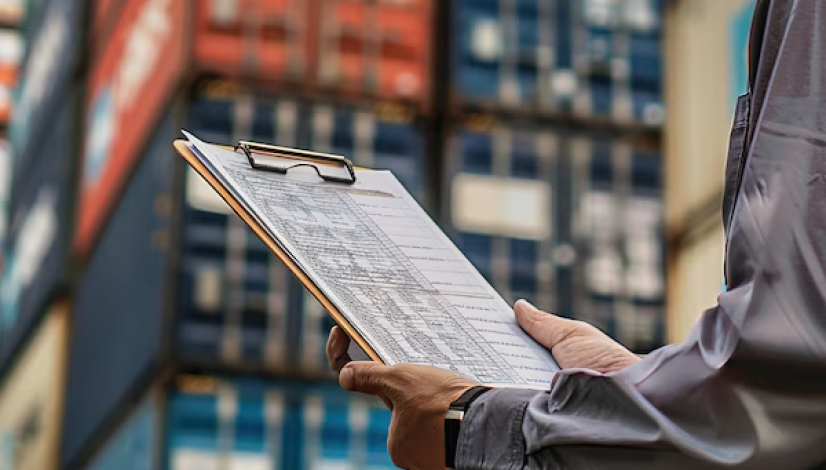
- Verifying shipment documents
- Calculating duties and taxes
- Conducting inspections when necessary
- Obtaining official release of cargo
Without proper customs clearance, shipments may be delayed, incur additional costs, or even face legal complications.
Why Customs Clearance Is Important
Efficient customs clearance plays a vital role in international trade by ensuring:
Compliance with Regulations
Businesses must comply with Indonesian customs laws and import-export regulations to avoid penalties.
Faster Cargo Release
Accurate documentation and proper procedures help reduce delays at ports and airports.
Cost Efficiency
Proper customs management minimizes unexpected expenses such as storage fees, demurrage charges, and penalties.
Supply Chain Continuity
Smooth customs processing ensures goods reach their destination on time, supporting uninterrupted business operations.
Key Documents Required for Customs Clearance
The required documentation may vary depending on the type of goods being shipped. However, some of the most common documents include:
1. Commercial Invoice
This document provides detailed information about the goods, including:
- Product description
- Quantity
- Unit value
- Total shipment value
- Seller and buyer information
2. Packing List
A packing list outlines:
- Number of packages
- Weight and dimensions
- Packaging details
- Product breakdown
3. Bill of Lading (B/L) or Air Waybill (AWB)
These transportation documents serve as proof that the carrier has received the cargo for shipment.
4. Import Declaration
Importers must submit customs declarations through the appropriate customs system.
5. Taxpayer Identification Number (NPWP)
Businesses involved in importing goods into Indonesia typically require an NPWP and other relevant business licenses.
6. Additional Permits and Certificates
Certain products may require:
- Import licenses
- Health certificates
- Phytosanitary certificates
- Product registrations
- Certificates of origin
The Customs Clearance Process in Indonesia
Understanding the customs clearance workflow helps businesses prepare for a smooth import or export experience.
Step 1: Cargo Arrival
The shipment arrives at an Indonesian port, airport, or bonded logistics facility.
Step 2: Document Submission
Importers or customs brokers submit all required documents to customs authorities.
Step 3: Customs Verification
Customs officers review shipment details, classification codes, declared values, and supporting documentation.
Step 4: Duty and Tax Assessment
Import duties, VAT, and other applicable taxes are calculated based on the cargo’s classification and value.
Step 5: Inspection (If Required)
Some shipments may be selected for physical inspection or additional verification.
Step 6: Payment of Duties and Taxes
Applicable duties and taxes must be paid before cargo release.
Step 7: Cargo Release
Once all requirements have been fulfilled, customs authorities approve the release of the goods.
Common Customs Clearance Challenges
Many businesses encounter obstacles during customs processing. Some of the most common issues include:
Incomplete Documentation
Missing or inaccurate documents can lead to delays and additional costs.
Incorrect Product Classification
Using the wrong Harmonized System (HS) code may result in incorrect duty calculations or customs disputes.
Valuation Issues
Customs authorities may question declared values if they appear inconsistent with market prices.
Regulatory Compliance
Some goods require specific permits, certifications, or approvals before importation.
Inspection Delays
Random inspections or additional reviews may extend processing times.
Tips for Smooth Customs Clearance
To avoid unnecessary delays and complications, businesses should follow these best practices:
Prepare Documentation Early
Ensure all paperwork is complete and accurate before shipment arrival.
Verify Product Classification
Use the correct HS code to ensure proper duty and tax calculations.
Stay Updated on Regulations
Import and export regulations can change, making it important to monitor compliance requirements.
Maintain Transparent Records
Accurate records help facilitate customs reviews and audits.
Work with Experienced Customs Brokers
Professional customs clearance specialists can help navigate complex procedures and reduce processing risks.
Benefits of Using Professional Customs Brokerage Services
Managing customs clearance independently can be time-consuming and complicated, especially for businesses handling frequent international shipments.
Professional customs brokerage services offer:
- Expert regulatory guidance
- Accurate document preparation
- Faster customs processing
- Reduced compliance risks
- Efficient duty and tax management
- Improved shipment visibility
By partnering with experienced logistics providers, businesses can focus on growth while ensuring their cargo moves efficiently through customs.
How PT. Udah Jaya Ekspress Can Help
At PT. Udah Jaya Ekspress (UJE), we provide comprehensive customs clearance and freight forwarding solutions for businesses engaged in international trade. Our experienced team assists clients with documentation, customs procedures, cargo handling, and transportation management to ensure smooth import and export operations.
Whether your shipment travels by sea, air, or land, we are committed to delivering reliable logistics solutions that save time, reduce costs, and ensure compliance with Indonesian customs regulations.
Conclusion
Customs clearance is a critical part of international shipping and trade. Understanding the process, preparing the correct documentation, and complying with customs regulations can help businesses avoid delays and maintain efficient supply chain operations.
For companies looking to simplify customs procedures and improve logistics performance, partnering with a trusted customs clearance and freight forwarding provider can make all the difference.
Need professional customs clearance assistance in Indonesia? Contact PT. Udah Jaya Ekspress today and let our logistics experts help streamline your international shipments.